

Justification
Records in Algorand Smart Contracts are stored as key-value pairs. The goal is to create a simple key-value store that allows you to store and retrieve data from the blockchain. By leveraging a standard schema and key specification, you can easily store and retrieve data from the blockchain and map it to a more complex object.
Why:
- The Average MBR is 0.32 ALGO per Entity for the general use case. It is paid up front by whoever saves the data (possibly paying customers of the dapps that integrate), and it buys storage that every node keeps and serves, with no recurring fees.
- Data requirements are generally Read heavy which would leverage the REST APIs.
- Work with native Objects in our preferred language with Reactivity to the on-chain Boxes. (in the spirit of Puya)
- Storage solution preserves and improves on Contract<->Contract integrations by having a standardized mapping of the keys to values.
Data Storage Costs:
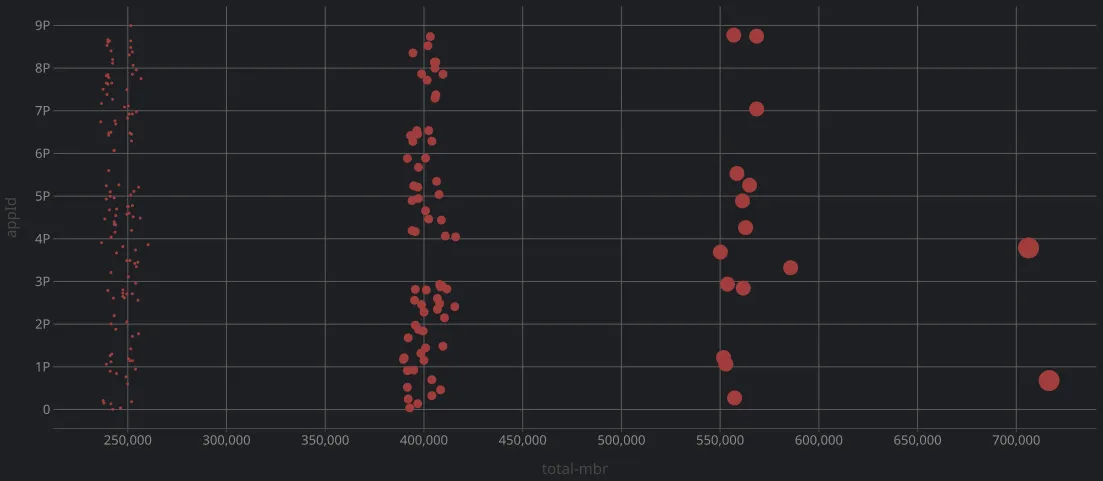
The MBR is the price of storage, not a deposit to count on getting back. Today a box’s MBR is released to the app account when the box is deleted, but the protocol may stop refunding it in the future. Budget for it as a cost: StoreKit’s case doesn’t rely on reclaiming it.
How:
Convert the Objects into addressed arrays.
This example uses the KISS principle and leverages lodash paths for JSON, which are similar to jq
The following JSON:
{ "person":{ "firstName": "Cosimo", "lastName": "Bassi" }}Would be stored as:
# LodashKey:Valueorm_person.firstName: "Cosimo"orm_person.lastName: "Bassi"Use Cases:
- DID Documents
- JSON Metadata commonly stored in IPFS
- Protocols that wish to standardize their box keys
- Services that wish to provide indexed data
Known Limitations:
- 2k Max ABI Size (Requires Chunking for large values to fill the box)
- 32k Max BoxValue Size
- 64 Max BoxKey Size